When I was assigned my level II fieldwork in acute care, I had little idea of what to expect. Based off what I had gathered in class about this setting I imagined I would begin my placement by working with orthopedic patients who recently underwent joint replacements (hip, knee, shoulder, etc.) and then transition to more complex patients on the oncology or cardiology floors. I was completely caught off guard when I was assigned to be in the intensive care unit (ICU) for the duration of my 12 weeks in this setting. If you find yourself in acute care for your fieldwork, my advice is do not fear the ICU! It’s an amazing place to develop confidence and competency while really honing in your skills of grading and adaptation.
Acute care is an fast-paced, high-energy setting that gives therapists flexibility in planning their day. In my opinion, the benefits of this setting as a fieldwork student are invaluable as you are able to see a wide variety of diagnoses and deal with patients of all ages and backgrounds. I absolutely loved my time in acute care but there are definitely some things I wish I would have known beforehand that would have made me more confident in my abilities. I have divided advice as it relates to you, your patients, your treatments, your supervisors and co-workers.
You
- Be flexible. The day is not always going to go as planned with patients in x-rays, CT-scans, receiving medication, etc. when you want to do your treatments.
- Find a way to organize the information gathered during evaluations. As a new practitioner, there is a lot to remember when you complete an evaluation (i.e assist level for grooming, feeding, toileting, dressing, UE range of motion, UE manual muscle test, vision screening, sensory testing, etc.) I created a chart that had boxes for each of the assessments I needed to gather during an evaluation and made copies of it at the beginning of everyday.
- If you are unsure about something, ask for help! If you are nervous in moving a patient with all the lines they are hooked up to, ask a nurse for assistance. Nurses are usually willing to help disconnect a line, but they will not be happy with you if you do so without them, or even worse pull a line/ IV out! Along with this point, learn what all the lines and leads do (there can be quite a few when working in the ICU).
- Try to go to rounds if the hospital your at does them. The attending doctor usually runs this daily and it basically is an overview of each patient and their current status.
- Learn medical abbreviations. All the charts and documentation will use these.
Your patients
- Get to know them. Although treatments in acute care are short (15-30) minutes, it’s so valuable to connect with your patient and understand more about who they are and what is personally meaningful to them. In acute care patients are skimmed over by many other disciplines that don’t have the time to really get to know them, so we bring a unique value here.
- Take into account comorbidities. If a person is admitted following a motor vehicle accident and also has dementia, they may need extra time to follow instructions and simple, short phrases for cueing to complete activities.
- Empathize with the stress and anxiety of being in the hospital. Remember that when you leave for the day, they stay. Try to bring hope and understanding when you work alongside them. Remember what a privilege it is to be allowed to walk side by side people during the most traumatic and stressful times in their life.
Your treatments
- Although treatments can be somewhat limited in this setting (ADLs), try to focus on wat the patient is motivated by and wanting to do. For instance, I would always ask my patients in morning sessions if they wanted to brush their teeth (answer was usually yes because they hadn’t been able to do so until I arrived).
- Organize lines and leads before moving a patient! Can’t emphasize this enough. Plan out where you are going and make sure the IV poles, catheter, etc. are on the correct side.
- Know how to read digital monitors for vitals. Understand what critical values are and when to stop treatment. Along with this, always check your patients for a change in status (i.e. were they conversing normally and suddenly stopped talking?, are their eyes closed?, etc.)
- Have a few different plans of treatments when you go into a room. Things rarely go as planned in the ICU.
- Be comfortable with transfers. Patients with high complexity are likely going to need assist for mobility and transfers. Ensure you feel comfortable with this before attempting it with patients.
- Always have a backup plan if things go awry mid-treatment. Sometimes I would drag a chair behind me if I thought a patient may not be able to tolerate walking all the way to the in-room toilet.
Your supervisor
- Ask for feedback. Make it a regularly scheduled occurrence. My supervisor and I met every Friday to go over my goals for the week, how I could improve and what I did well.
- Ask them questions, show them your eager to learn more!
- Tell them about your learning style at the beginning of the rotation, so they can better assist you.
Your coworkers
- Get to know them. Acute care staff and especially the ICU staff functions as a team. They will be more willing to help you if they know who you are!
- Ask them questions. I learned so much from the nurses, PTs and SLPs at my setting because I was always asking them questions. I found that most people in this setting had a sort of specialty area they were more experience with and thus could provide more in depth information about.
- Make yourself a valuable member of their team. I helped out whenever I could to make the jobs of my co-workers easier. For instance, I would come in 10-15 minutes earlier than my supervisor and assist in setting up the board of patients delegated to therapists each day.
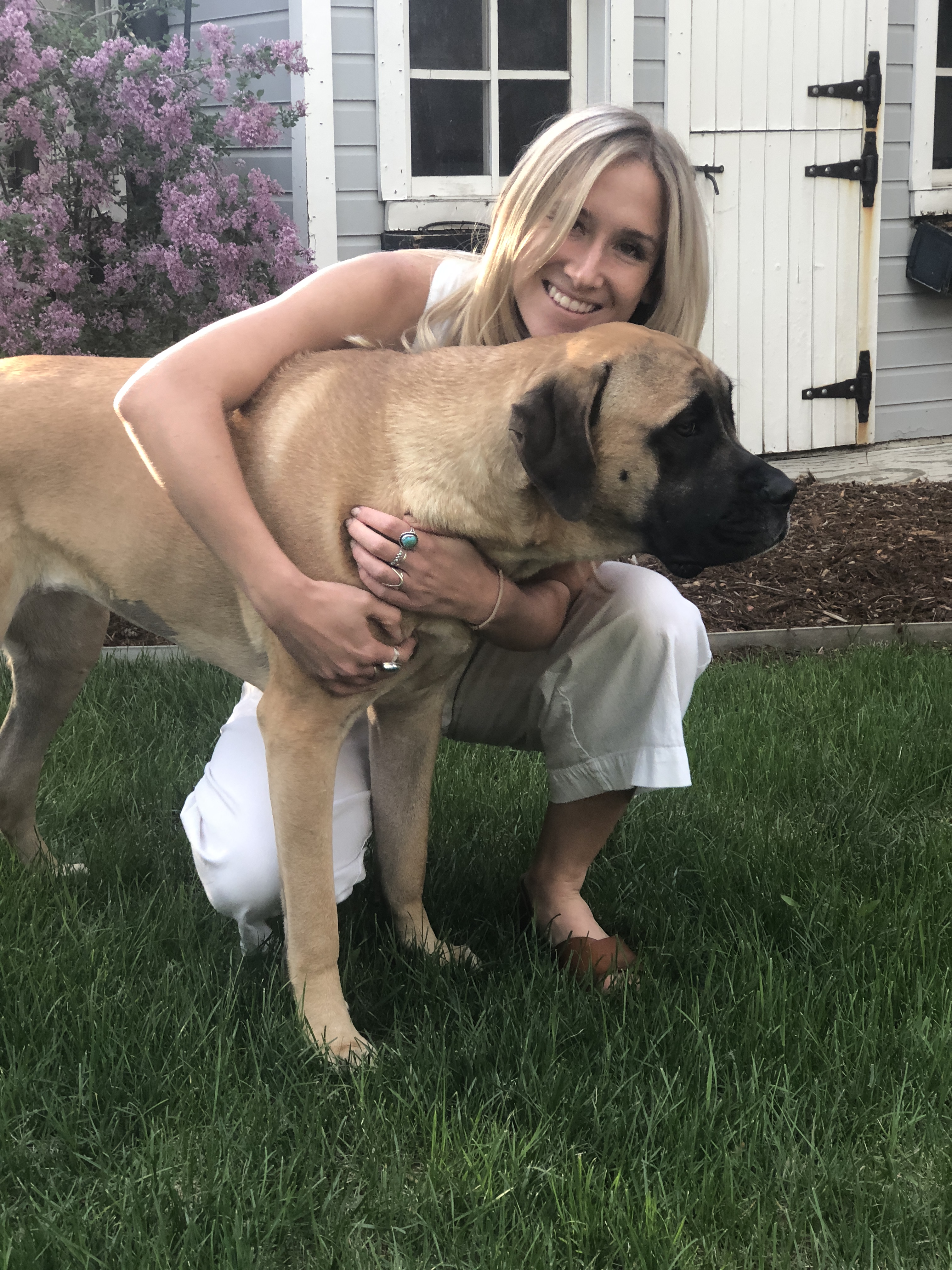
Katie Lucas is a second year MOT student in Colorado. She enjoys working with both adults and children, but likely will pursue a job in adult inpatient rehabilitation following graduation. Outside of OT, she enjoys skiing, running, hiking and playing with her mastiff Ellie.
You can follow Katie and her journey through OT school on instagram @kt.the.ot

 Becky B OT