OT

Uncategorized

January Review & February Plans

January included a huge transition back to school after living at home and completing fieldwork during the fall semester. I hadn’t sat in a classroom, wrote a paper, or even talked to a lot of my classmates since May so saying I was nervous to go back to school would be a major understatement.

I was terrified.

I did not want to go.

But my mom reminded me how far I had come and how close I was to the finish line.

Luckily, the move back to school went smoothly (besides a few forgotten things) and my roommates and I quickly caught up and fell back into a rhythm.

Switching my brain from practitioner to student was a little more difficult though. I made sure to fill out my planner and write down assignments but I still find it hard to sit through hours of classes because I’m used to being go-go-go at fieldwork. I am also still having a hard time with balancing schoolwork with the rest of my life and find myself cranking out hours of work and then having days with no assignments due.

I was hoping I would get back into a nice routine of class, homework, and the gym, but the weather (hello polar vortex) and multiple compressed schedules & snow days has made that a little bit difficult.

I had chosen the quote “you are exactly where you need to be” for January and it was exactly what I needed to hear during all these crazy transitions and life changes.

And while January did not go 100% as planned, February is a new month. And with this new month brings a lot more assignments, a weekend board prep course, and just more of the general life stress that comes with being in your last semester of grad school.

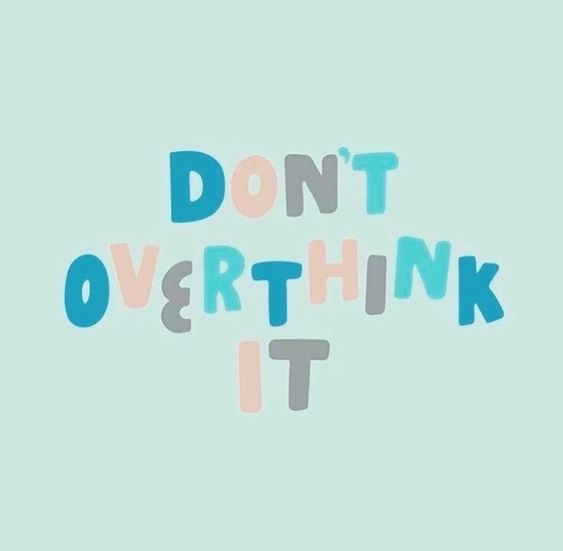
So in February, I am going to remind myself “don’t overthink it.”

Don’t overthink it when you are doing assignments and someone else is doing there’s a slightly different way.

Don’t overthink it during board prep when you get another question wrong-you will still be an OT.

Don’t overthink it when your mom doesn’t answer her phone-she was a life too and will call you back.

Don’t overthink it when your roommate seems a little grouchy, you can be quite a grouch too.

In February, don’t overthink it.

Uncategorized

ICU & Acute Care Fieldwork Tips

When I was assigned my level II fieldwork in acute care, I had little idea of what to expect. Based off what I had gathered in class about this setting I imagined I would begin my placement by working with orthopedic patients who recently underwent joint replacements (hip, knee, shoulder, etc.) and then transition to more complex patients on the oncology or cardiology floors.  I was completely caught off guard when I was assigned to be in the intensive care unit (ICU) for the duration of my 12 weeks in this setting.  If you find yourself in acute care for your fieldwork, my advice is do not fear the ICU! It’s an amazing place to develop confidence and competency while really honing in your skills of grading and adaptation.

Acute care is an fast-paced, high-energy setting that gives therapists flexibility in planning their day. In my opinion, the benefits of this setting as a fieldwork student are invaluable as you are able to see a wide variety of diagnoses and deal with patients of all ages and backgrounds. I absolutely loved my time in acute care but there are definitely some things I wish I would have known beforehand that would have made me more confident in my abilities. I have divided advice as it relates to you, your patients, your treatments, your supervisors and co-workers.

You

  • Be flexible. The day is not always going to go as planned with patients in x-rays, CT-scans, receiving medication, etc. when you want to do your treatments.
  • Find a way to organize the information gathered during evaluations. As a new practitioner, there is a lot to remember when you complete an evaluation (i.e assist level for grooming, feeding, toileting, dressing,  UE range of motion, UE manual muscle test, vision screening, sensory testing, etc.) I created a chart that had boxes for each of the assessments I needed to gather during an evaluation and made copies of it at the beginning of everyday.
  • If you are unsure about something, ask for help! If you are nervous in moving a patient with all the lines they are hooked up to, ask a nurse for assistance. Nurses are usually willing to help disconnect a line, but they will not be happy with you if you do so without them, or even worse pull a line/ IV out! Along with this point, learn what all the lines and leads do (there can be quite a few when working in the ICU).
  • Try to go to rounds if the hospital your at does them. The attending doctor usually runs this daily and it basically is an overview of each patient and their current status.
  • Learn medical abbreviations. All the charts and documentation will use these.

Your patients

  • Get to know them. Although treatments in acute care are short (15-30) minutes, it’s so valuable to connect with your patient and understand more about who they are and what is personally meaningful to them. In acute care patients are skimmed over by many other disciplines that don’t have the time to really get to know them, so we bring a unique value here.
  • Take into account comorbidities. If a person is admitted following a motor vehicle accident and also has dementia, they may need extra time to follow instructions and simple, short phrases for cueing to complete activities.
  • Empathize with the stress and anxiety of being in the hospital. Remember that when you leave for the day, they stay. Try to bring hope and understanding when you work alongside them. Remember what a privilege it is to be allowed to walk side by side people during the most traumatic and stressful times in their life.

Your treatments

  • Although treatments can be somewhat limited in this setting (ADLs), try to focus on wat the patient is motivated by and wanting to do. For instance, I would always ask my patients in morning sessions if they wanted to brush their teeth (answer was usually yes because they hadn’t been able to do so until I arrived).
  • Organize lines and leads before moving a patient! Can’t emphasize this enough. Plan out where you are going and make sure the IV poles, catheter, etc. are on the correct side.
  • Know how to read digital monitors for vitals. Understand what critical values are and when to stop treatment. Along with this, always check your patients for a change in status (i.e. were they conversing normally and suddenly stopped talking?, are their eyes closed?, etc.)
  • Have a few different plans of treatments when you go into a room. Things rarely go as planned in the ICU.
  • Be comfortable with transfers. Patients with high complexity are likely going to need assist for mobility and transfers. Ensure you feel comfortable with this before attempting it with patients.
  • Always have a backup plan if things go awry mid-treatment. Sometimes I would drag a chair behind me if I thought a patient may not be able to tolerate walking all the way to the in-room toilet.

Your supervisor

  • Ask for feedback. Make it a regularly scheduled occurrence. My supervisor and I met every Friday to go over my goals for the week, how I could improve and what I did well.
  • Ask them questions, show them your eager to learn more!
  • Tell them about your learning style at the beginning of the rotation, so they can better assist you.

Your coworkers

  • Get to know them. Acute care staff and especially the ICU staff functions as a team. They will be more willing to help you if they know who you are!
  • Ask them questions. I learned so much from the nurses, PTs and SLPs at my setting because I was always asking them questions. I found that most people in this setting had a sort of specialty area they were more experience with and thus could provide more in depth information about.
  • Make yourself a valuable member of their team. I helped out whenever I could to make the jobs of my co-workers easier. For instance, I would come in 10-15 minutes earlier than my supervisor and assist in setting up the board of patients delegated to therapists each day.

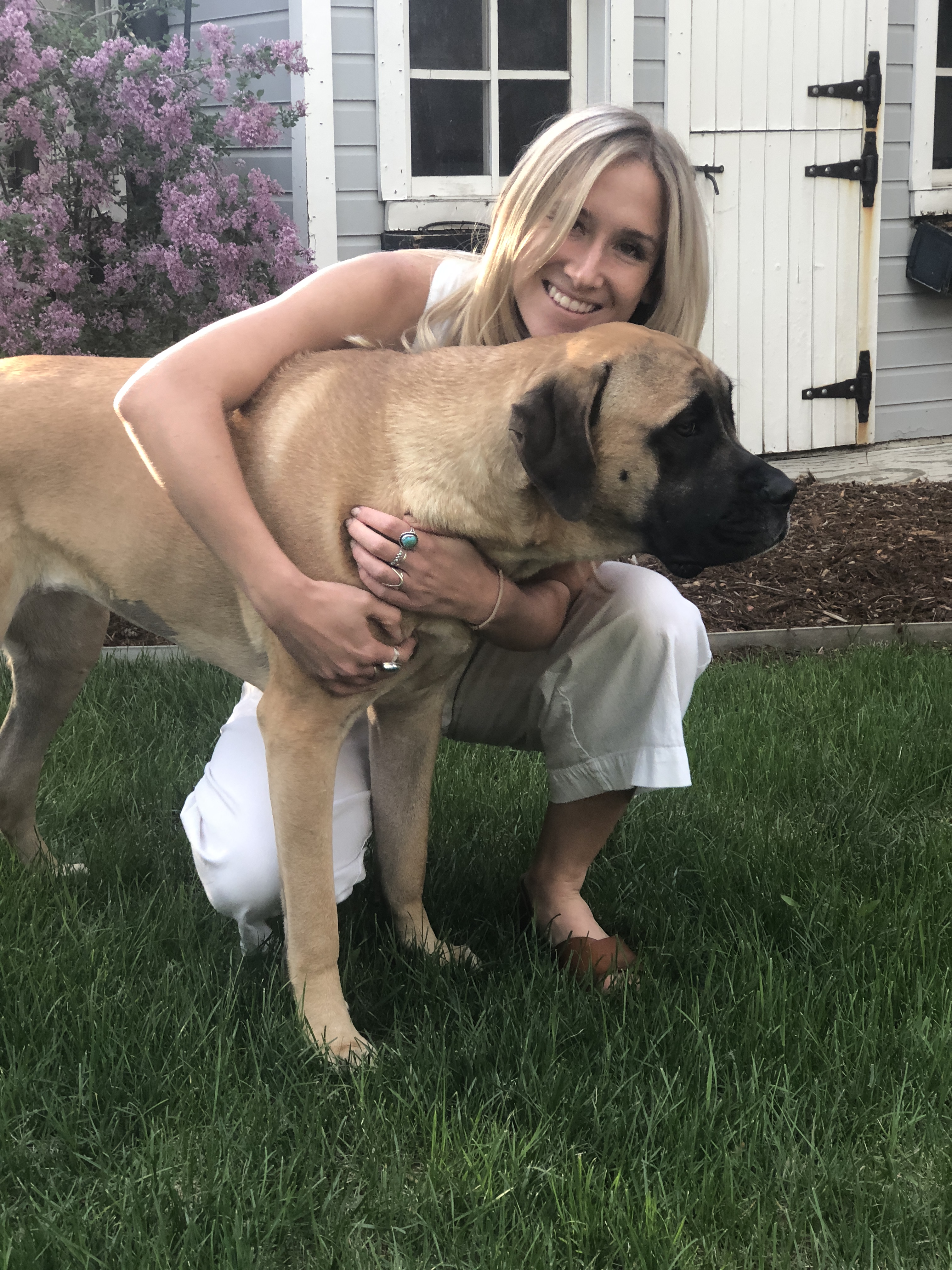
Katie Lucas is a second year MOT student in Colorado. She enjoys working with both adults and children, but likely will pursue a job in adult inpatient rehabilitation following graduation. Outside of OT, she enjoys skiing, running, hiking and playing with her mastiff Ellie. 

You can follow Katie and her journey through OT school on instagram @kt.the.ot

Uncategorized

Spring 2019 Schedule

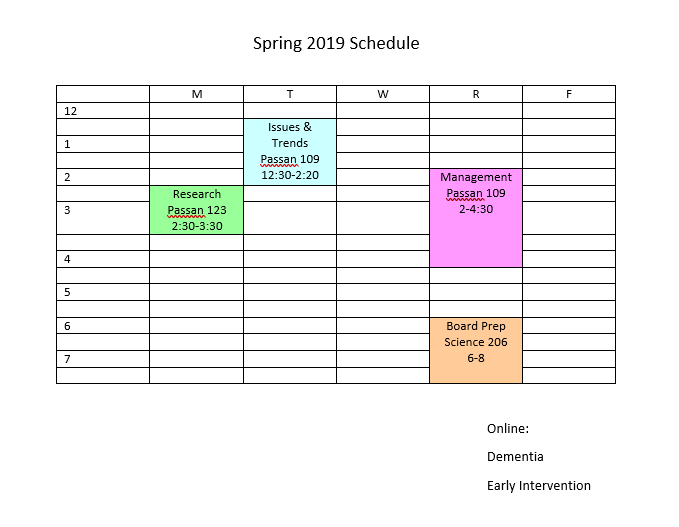
Every semester of college, I have made myself a nice color-coded schedule of my classes. This semester I have 2 online classes, no Wednesday or Friday classes, and none of my classes start before noon (yay for sleeping in)!

This is my final semester of school before I graduate with my OT degree and I am taking:

Issues & Trends in OT

Management & Entrepreneurship

Board Prep

I also chose Dementia & Early Intervention as my electives

And this semester I will finish my group Research Project

I am excited to have so much free time this semester to use sleeping in, going to the gym, visiting family, and maybe getting a head start on studying for the boards!?

Uncategorized

SNF Fieldwork Survival Tips

So you’ll be completing your Level II Fieldwork Placement in a Skilled Nursing Facility? Excited? Nervous? Mixed Emotions? That’s how I felt too.

My first Level II Fieldwork Placement was in a SNF, within a large retirement community. This was a great placement because it allowed me to see patients from skilled nursing, independent living, assisted living, and long term care. I saw so many different diagnoses and conditions and got to work with some amazing people.

I went into it nervous, and had no idea if I would even like it, but ended up loving it.

I wrote a list of tips and broke them down into 5 categories: you, your patients, your treatments, your supervisors, and your co-workers.


You

  • Wear comfortable shoes. You’ll be on your feet most of the day and might find yourself powerwalking after a runaway patient so you want to make sure you’re feet don’t hurt. 
  • Find a way to relieve stress. You are going to be stressed. You are in a whole new situation, learning a ton, and working with people all day. I was always exhausted when I came home and fell asleep in my scrubs on the couch more than once. Find something that helps you relieve stress and you’ll look forward to coming home and doing. It could be a bubble bath, exercise, reading, really anything. 
  • Try not to get discouraged. Sometimes you’ll find yourself in situations where you don’t know what to do. Or a patient might yell at you. Or you just feel completely overwhelmed. Take a deep breath and remind yourself that everyone was a student once and you’ll make it through. 

Your patients

  • Remember that they don’t want to be there. A SNF is not where most people would choose to spend their time. Be kind to them. Take the extra minute to just talk to them and get to know them, it can really make a difference. 
  • Be patient. When working with older adults, many of your patients may have dementia. While they might be in the SNF following a stroke or hip replacement, you are treating the entire person. Be patient and take it one step at a time. 

Your treatments

  • Be creative and keep the patient’s interests in mind. One of my favorite activities including hiding fake flowers in the hallway and then we went on a walk to pick flowers and stood to arrange them in a vase. It was a big hit among my ladies and addressed so many different skills. 
  • Realize that every session isn’t going to perfect and occupation-based. Sometimes you are lucky to find one activity to motivate a patient. Take that and use it as a starting point. Some of my older men loved the nustep (I’m not sure why) but if getting to use it got them into the gym, then I used it. And then after the nustep, used the “while you’re here, let’s do a few more things” approach and could usually get them to participate in some more occupation-based activities. 
  • Don’t be scared to do shower treatments. It sounds funny but my first shower treatment, I was low key terrified. But make sure you know your patient well before taking them into the shower, let the patient know where everything they need is, and remember that it won’t take that long for your shoes to dry. Patients are always so grateful after a shower treatment because it could be their first shower in weeks. (Extra tip: lay some extra towels on the floor to prevent the floor from getting slippery.)
  • If possible, get your patients outside. My facility had a nice courtyard and a few patios. Patients loved when they got to go outside so if you’re doing a tabletop activity maybe try it on that patio table outside. 

Your supervisor

  • Get to know your supervisor. Ask them how their weekend was, ask how long they’ve been an OT, ask about their previous OT jobs, just get to know more about them. My first supervisor and I had a great relationship and I felt completely comfortable asking her questions. 

Your coworkers

  • You’re going to be working with these people for 12 weeks. Talk to them at lunch, get to know them. They may also know the patient you are working with and be able to offer advice. You can learn something from everyone, even therapists of other disciplines. And there’s definitely going to be a point where you pop your head out the door and have to tell the closest therapist that you need to run and grab new pants for your patient and can they keep an eye on them, so you want to be on their good sides. 

Uncategorized

Cultivating Success in a Non-Traditional Level II Fieldwork

Guest post by Brynne Terry, OTR/L

My first Level II Fieldwork placement was far from what one might expect, but an experience I will cherish forever. I had the opportunity to work in a brand-new OT fieldwork setting, live in another state for 3 months, work with individuals throughout the community of all ages and of many different diagnoses, and the best part of it all?  There were dogs. That’s right – I got to use (wo)man’s best friend during treatment using what we called Canine Facilitated Interventions ™.

If you are as unfamiliar as I was with Canine Facilitated Interventions ™, it is in short, a treatment approach utilizing highly trained assistance dogs to increase a client’s participation and meaningful engagement in treatment sessions. Think: dressing dogs in their collars and vests, brushing their teeth, brushing their coats, and doing other activities that incorporate unique performance skills that can be translated from canine to self. It’s essentially incorporating all the activities you’d normally be addressing in treatment,just with some added fun of a furry friend!

I am a dog person, so as you can imagine, I was extremely excited going into this fieldwork placement. However, I was also feeling a bit apprehensive. As a first-time fieldwork student, I had no idea what to expect, and on top of that, Canine Facilitated Interventions ™ are not typical treatment approaches taught in OT school, so I knew I had an extra layer of learning to tackle.

My second Level II Fieldwork was also rather non-traditional outpatient setting, addressing habit and routine modification to help clients better manage chronic conditions such as headaches, pain, and fatigue. The primary focus was changing various lifestyle factors – sleep, eating, and exercise routines, stress and time management, etc. – in order to facilitate health-promoting habits and routines,thus decreasing the negative impact of a chronic condition on a client’s day-to-day occupations and roles.

Again,it was another big learning curve to adjust to, and with both experiences came many learning lessons – many of which I had to learn the hard way.

Here are a few tips I’d like to share so you can maximize your success in any setting (and learn from my mistakes, so you don’t make the same ones), whether it is non-traditional, new, or out of area:

  • Identify your goals

Before going into any fieldwork placement, no matter the setting, it is important to identify your personal goals for professional development. Having a clear idea of what you want to get out of the experience will help direct you throughout the experience. Of course there’s competency goals you must achieve by the end of the rotation, but choosing a few areas to focus on outside of the OT-specific skills can help you go above and beyond to develop even further as a professional. I found setting personal goals prior to beginning fieldwork extremely valuable given my non-traditional settings.

  • Go in with an openmind and be flexible

While going in with specific goals is always a good idea, I also want to highlight the importance of flexibility. As my placement was a new setting, there was a lot of program development and planning involved on the go. In my outpatient setting, there were late cancellations, no-shows, and last-minute appointments being scheduled. Not every treatment session, activity, or day went as intended,and that was okay. Keep an open mind to different opportunities and remember that each experience is a learning experience, even if it doesn’t end up being the initial plan.

  • Take initiative and be creative

If you are in a new OT setting where the structure of the fieldwork experience is still being developed, use that as an opportunity to grow your leadership skills and use your creative OT mind. Offer suggestions that will help shape your experience into one that is unique and designed to improve your personal goals.

  • Get comfortable with the uncomfortable

As a student, you may often feel like you have no idea what you’re doing. You may also feel this way if you are in an unfamiliar practice setting. Embrace it.Growth comes from stepping outside of your comfort zone, so take on new challenges and responsibilities even if you’re feeling unsure. Know that feelings of uncertainty are completely normal! This brings me to the next point…

  • Communicate with supervisors and coworkers

Take the opportunities you are given, but do not be afraid to ask questions, set boundaries, and communicate often. If you’re feeling overwhelmed with responsibilities, questioning a treatment approach, or have any other concern related to your fieldwork experience, talk to someone who can help.  Your supervisors and coworkers are there to support you, so communicate with them early and often, be friendly, maintain professional relationships, and thank them whenever they assist you.

  • Don’t neglect self-care and be kind to yourself

Of all my strategies for success, this is the one I want to emphasize most. Being in anew work environment or living environment is exciting, but can also be overwhelming. You are trying to learn so many new things about OT while also trying to be an OT. You are not going to be perfect and you will probably make mistakes. It’s all a part of the learning process, so DO NOT be too hard on yourself! Perfection got the best of me, so this is something I wish I had ingrained in my own mind prior to fieldwork. Practice positive self-talk and know what stress management strategies are effective for you (e.g. exercise, meditation, journaling, etc.).Build these into your daily routine beforeyou get too overwhelmed.

  • Maintain your support system

A huge component of getting through fieldwork, especially if you are away from home or your school, is maintaining your support system. If you are placed in a new city, keep in contact with your friends and loved ones, or create new connections in your temporary “home.”

  • Stay eager and reflect on the bigger picture

Not every fieldwork placement will be the best fit for you, but you will still learn and grow an incredible amount. If you don’t love your fieldwork setting,remember it is short-term and that it is still contributing to your goal of becoming an OT. I guarantee that you will learn valuable information or skill sets from all placements that will be beneficial to your future career.

  • Listen to and learn from your clients

Of all the things you learn about the process of OT during fieldwork, perhaps the biggest takeaways will be from your clients. Listen to them, understand them, and adapt to them. This is what will make you a better OT, and able to treat any patient from a holistic perspective. Additionally, if you’re working with older adults, they often have words of wisdom and really great advice – take it! One of my clients, who was robbed of so many of his meaningful occupations by his multiple chronic conditions, told me “Don’t take your health for granted, because when you lose your health you lose everything.”

About the Author:

Brynne Terry, MA, OTR/L, is an occupational therapist in California. She completed her B.A. in Human Performance and M.A. of Occupational Therapy at the University of Southern California. She is pursuing her OTD at Boston University, where her focus is promoting health and wellness among the college student population through an occupational therapy lens.

Follow Brynne on instagram @bewellbalance to learn more about her & the focus of her OTD